As the evolution of African and international consumer culture presses forward, a new generation of brands is emerging with a distinct emphasis on identity, storytelling, and building more enduring relevance by linking themselves to culture, values, and purposeful design.
Fashion, beauty, lifestyle: Brands lining up for 2026 aren’t necessarily the ones making all the noise. These are brands asking themselves tough questions: who are they, who do they count as their audience, and what is their reason for existing?
- This is Us
This Is Us is centred on the concept of community and shared identity. The brand is one of unity rather than spectacle, providing designs which are both personalised and universal. This Is Us derives its power from its emotional connections, which help customers understand rather than be marketed to. This Is Us is poised for longevity as consumers become increasingly seeking in the things they wear.

2. Fruche
Fruche has created a playful, confident style that strongly resonates with younger women. At the same time, the brand negotiates boldness and wearability to offer pieces that are playful but not throwaway fashion. This growing presence in culture indicates the brand understands the intersection of fashion and mood, or the psychology of confidence through style.

3. Iamsigo
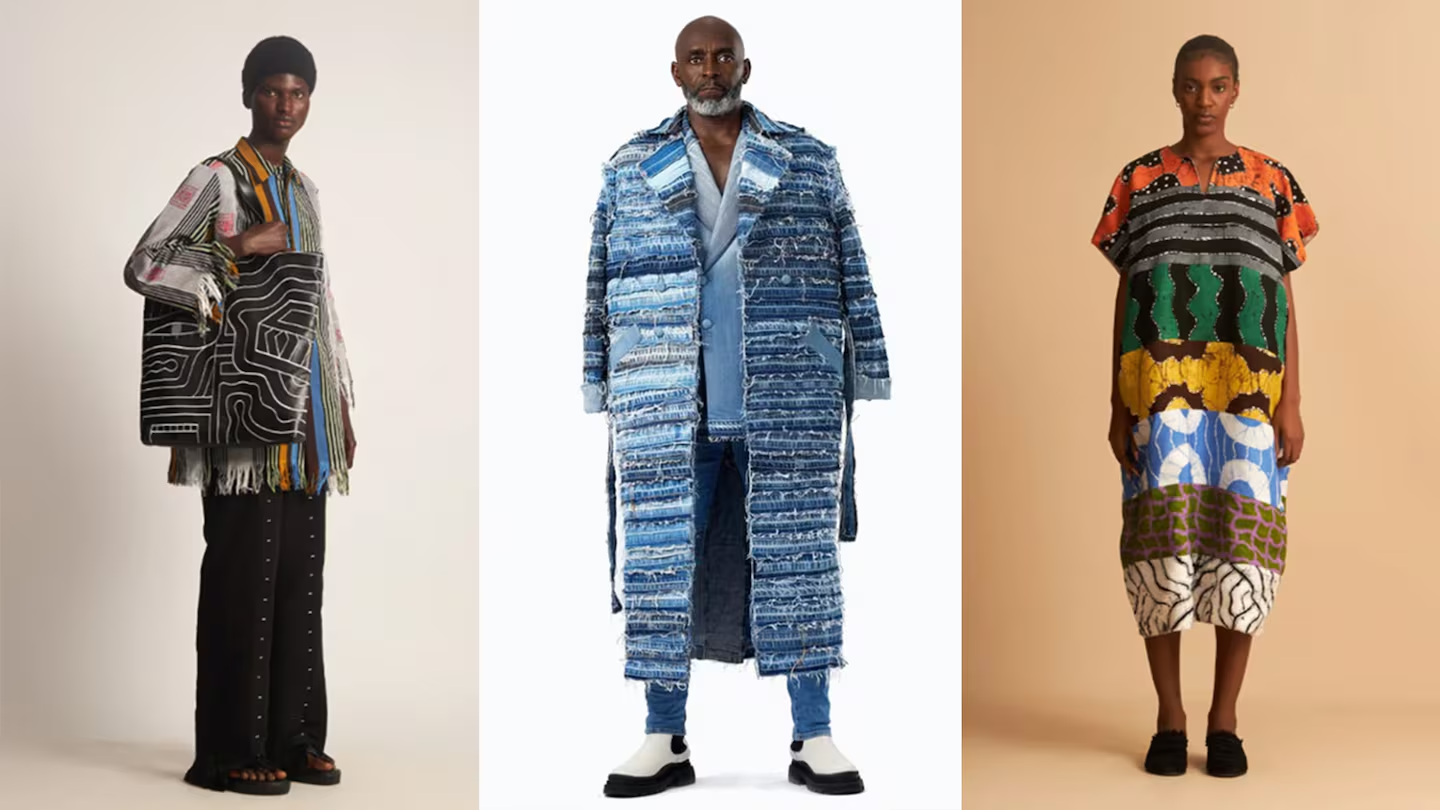
Iamsigo leads African fashion into further experimentation. The brand has continued to be known for its architectural silhouettes and unconventional designs that go against traditional definitions of fashion as functional wear alone. While this design work could be considered artistic, it appears to be deliberate, positioning Iamsigo as a brand that influences rather than trends.

4. LoveNAngels
LovenAngels has a softer emotional tone and mixes elements of romance, vulnerability, and individuality. The brand’s appeal lies in its ability to create intimacy through design, making wearers feel expressive and self-aware. Banke Kuku is also an exemplary example of cultural translation through fashion in Africa. Drawing inspiration from Nigeria’s artistic and cultural heritage, the brand translates cultural patterns and designs into luxury goods and fabrics. As fashion moves toward emotional storytelling, LovenAngels stands out for its clarity of voice.

5. Boyde
Boyde’s style is quite conservative and contemporary for today’s menswear, and this attention to form and function goes hand in hand with Boyde’s minimalist aesthetic and an inherent directness and confidence in style. Boyde’s clothes eschew excess, defined instead by subtlety and timelessness.

6. Eloli World
Eloli World represents a new generation of digitally fluent brands. With strong visual storytelling and an understanding of online identity, the brand connects fashion with lifestyle and self-presentation. Its appeal lies in how naturally it moves between digital culture and physical expression

7. Oshobor
Oshobor is unusual in its emphasis on craftsmanship and substrates. The brand emphasises texture, making it a brand for individuals who value thoughtfully made clothing. In a fast-paced consumer culture, a brand such as Oshobor, which focuses on quality, stands out from others.

8. Theshoeblocc
The shoeblocc has carved out a niche for itself in footwear by merging functionality with cultural relevance. The brand views footwear not only as a functional everyday tool but also as a means to express identity and style.

READ ALSO: TheShoeblocc and Oshobor Walk Craft into Fashion at Lagos Fashion Week 2025
9. Andrea Iyamh
Andrea Iyamah extends her reach from swimsuits to a more general lifestyle philosophy. With foundations in the feminine space of travel and luxury, the brand has managed to communicate African sensibilities in a universal language, offering an interesting example of growth and avoiding the risk of overreach.

10. Zash Zashadu
Zash Zashadu is redefining the leather accessories market through minimalist designs and ethical production. By emphasising both craftsmanship and the environment, the company can target customers who not only wish to be stylish but also want the company they support to have ethical values.

Together, these brands reflect a broader shift in consumer values. Authenticity, cultural grounding and long-term vision are becoming more critical than fast growth or viral moments. As 2026 approaches, these are the brands setting the tone for what relevance will look like next.